
Chapter 02
Braveheart
An established Nova Scotia training company I acquired, rebuilt and continue to operate.
18 years established · Tens of thousands trained each year · A broad roster of courses and instructors
Stewardship
The company was already trusted.
Braveheart came with trust already earned.
Established clients and experienced instructors valued the company’s reputation and standard of training.
My job was to improve the operation without spending any of that trust.
- Courses still had to run.
- Clients still needed answers.
- Instructors still needed support.
- Payroll still had to be met.
All of it had to be rebuilt while the company kept teaching, every week, without a pause.
The performance
The system should protect the human experience.
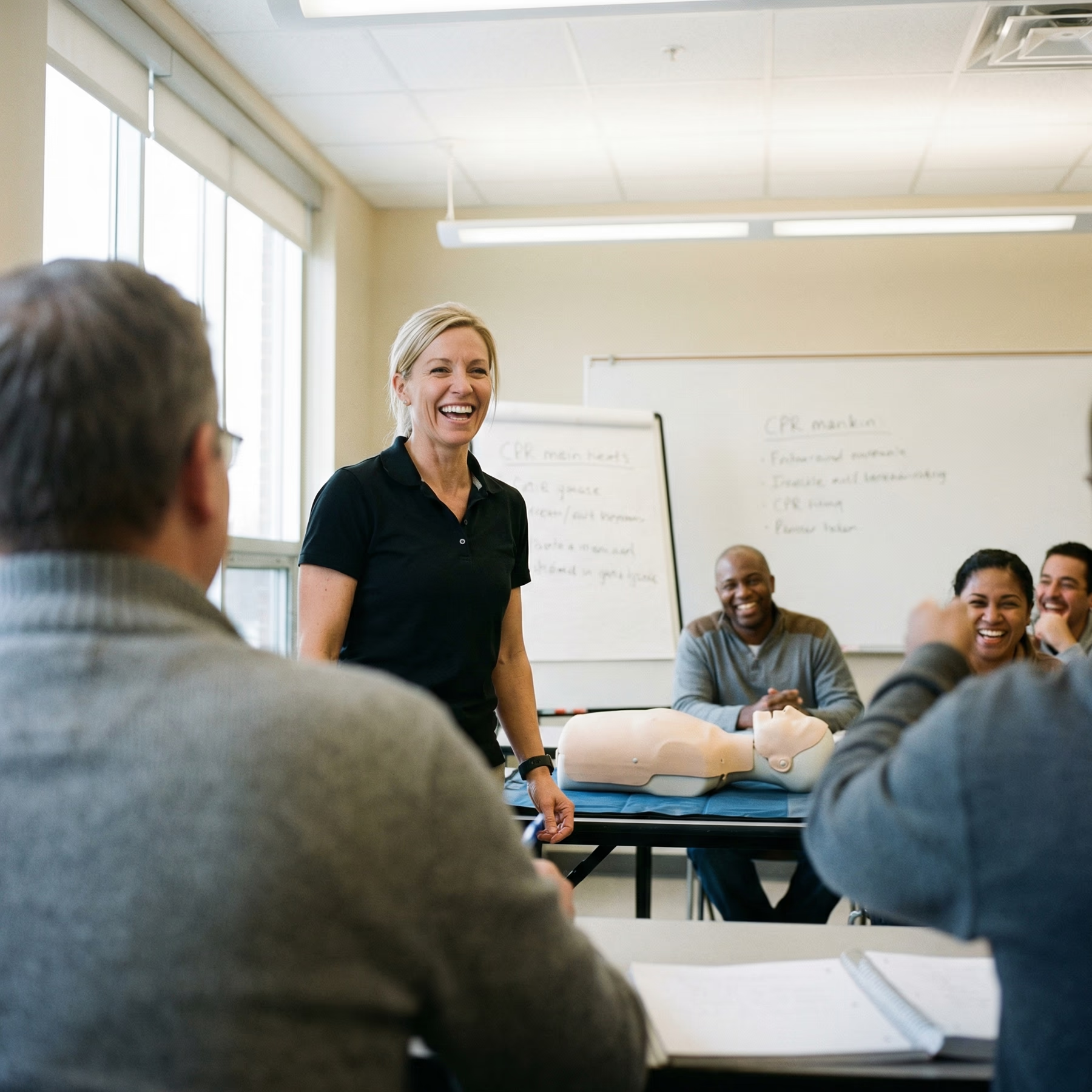
Training is delivered person to person.
An instructor’s attention belongs in the room: reading the learners, adjusting the pace and building confidence to act.
The operation is everything backstage.
Registration, scheduling, materials and learner information need to be ready so instructors can prepare to teach.
Good preparation gives instructors room to notice what each learner needs.
The client path
Each handoff showed what needed to change.
I followed the client path from enquiry and booking through training, certification and follow-up.
An unclear message usually means nobody owns it. A late certificate means two systems are not talking to each other. The same question asked twice means the process is hard to follow.
I rebuilt registration, scheduling, communication, reporting, certification and follow-up. The work combined existing systems, custom software and clearer responsibilities, so information could move with the client.
The systems serve the people.
The point of all of it is to give people room to think, notice, respond and care.
Scale
The next question is scale.
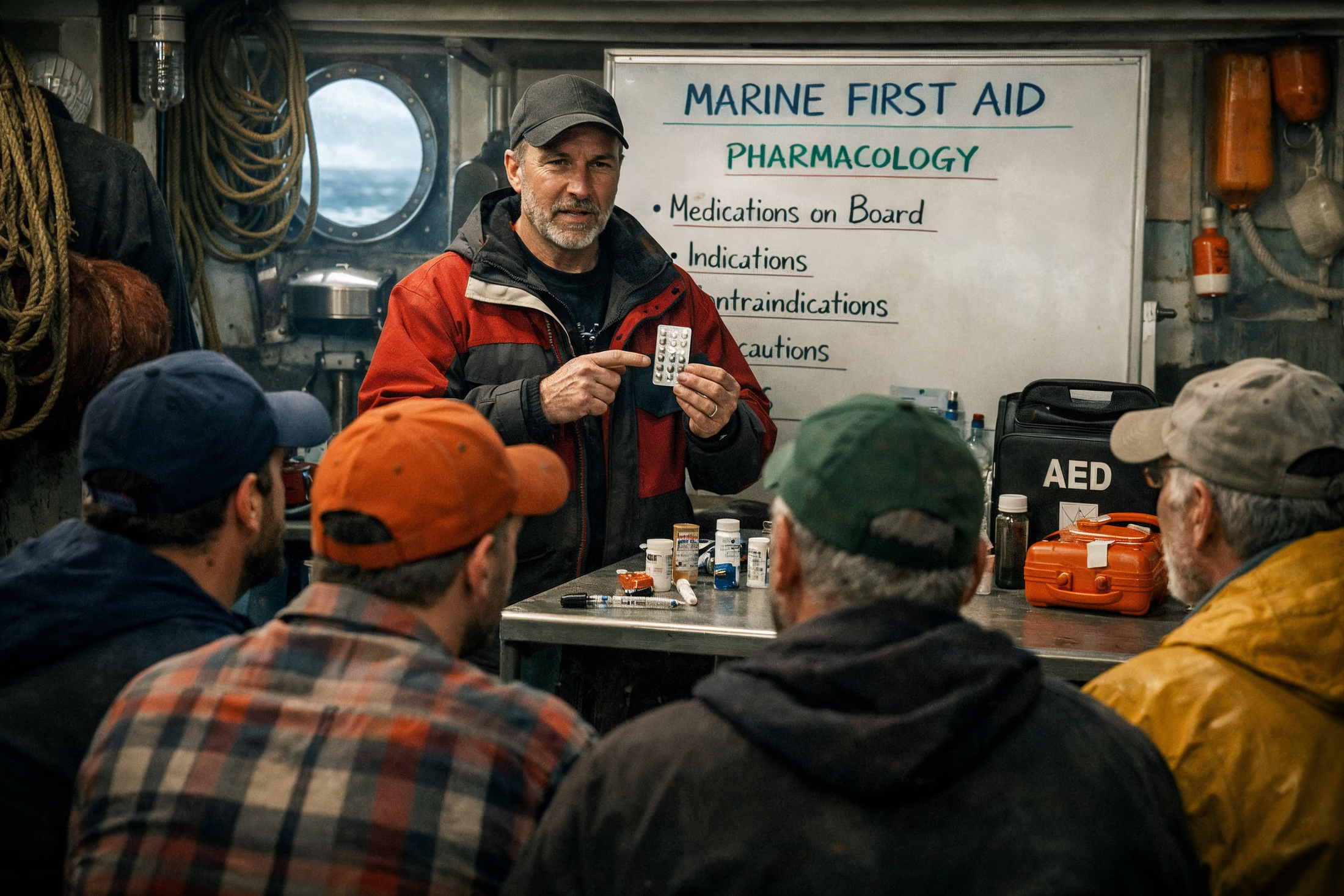
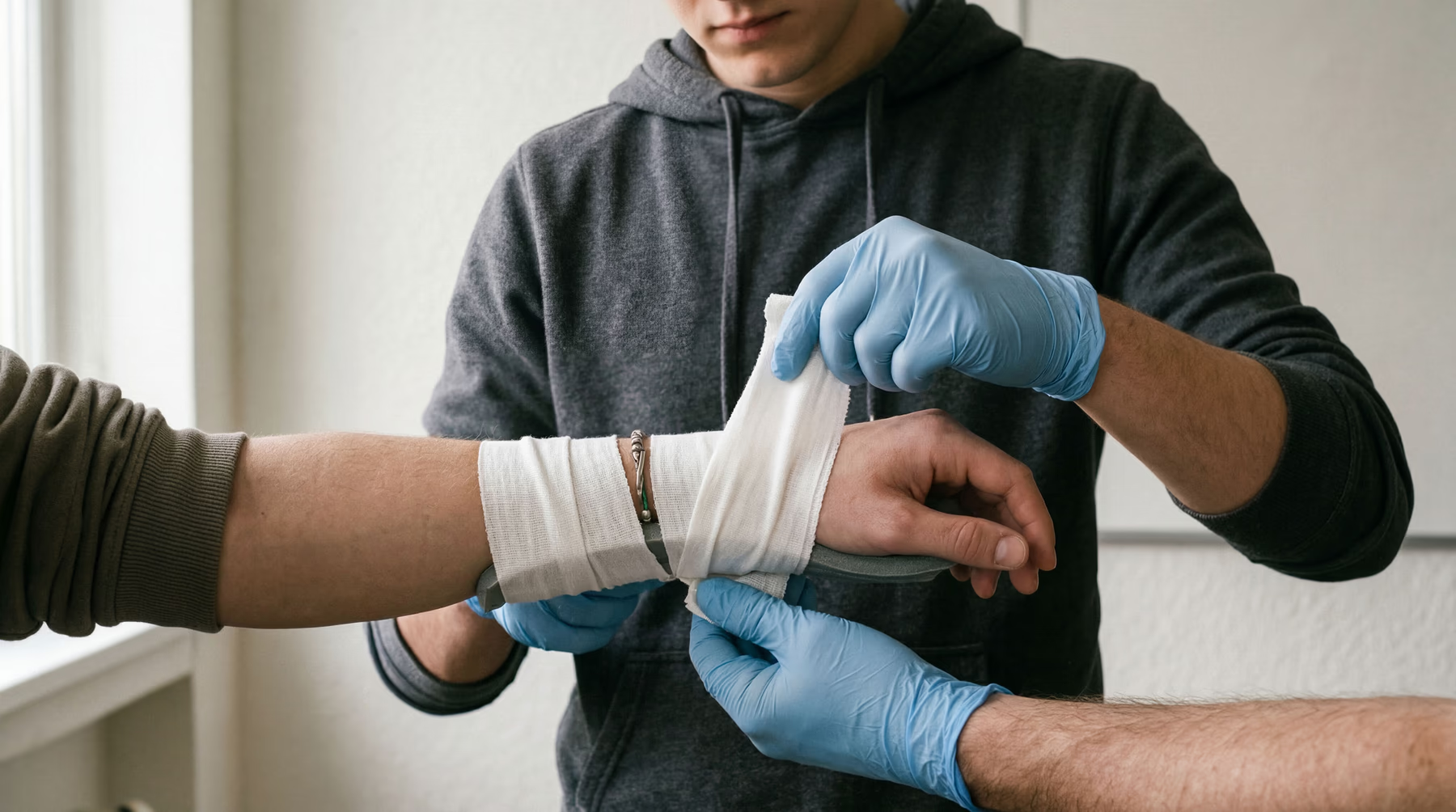
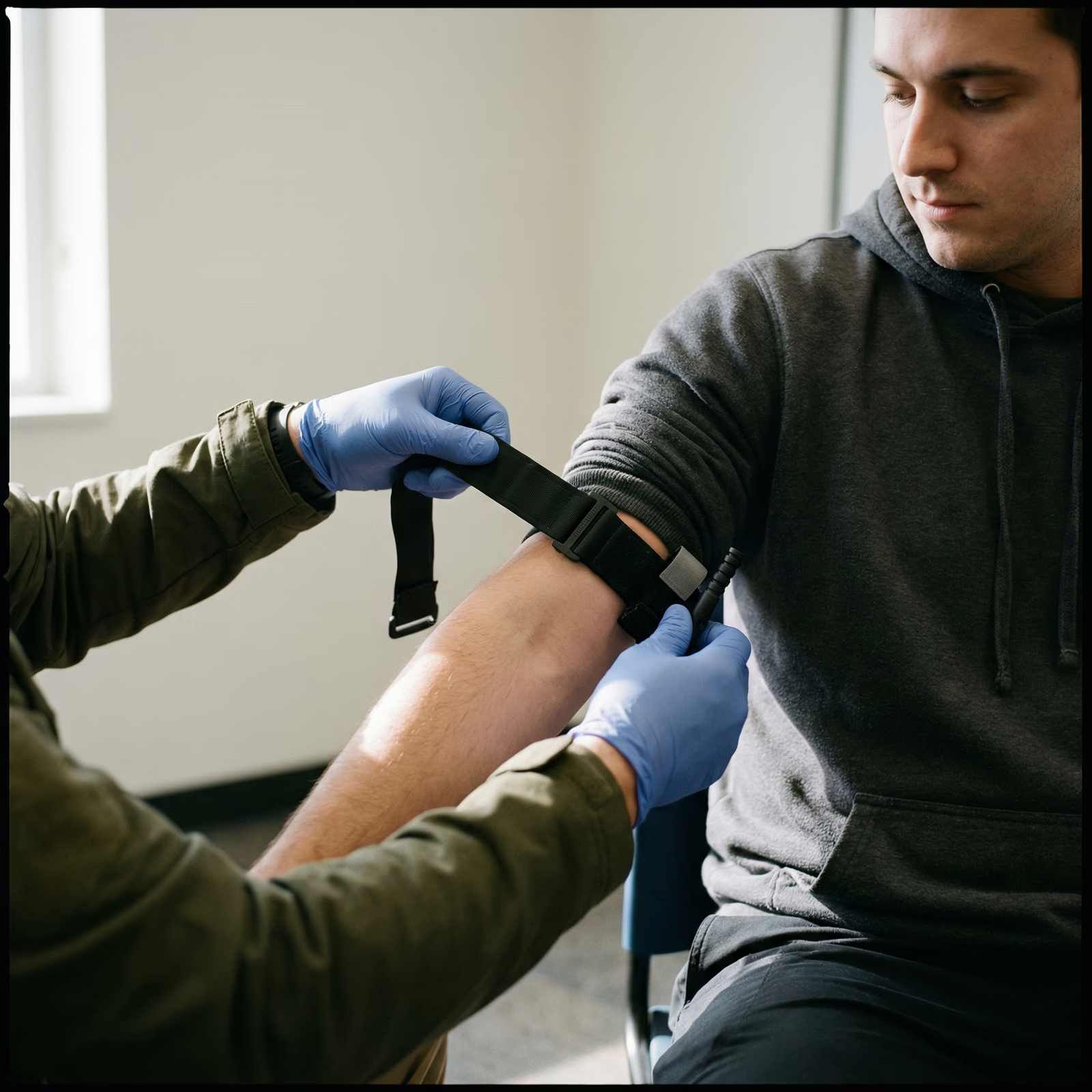
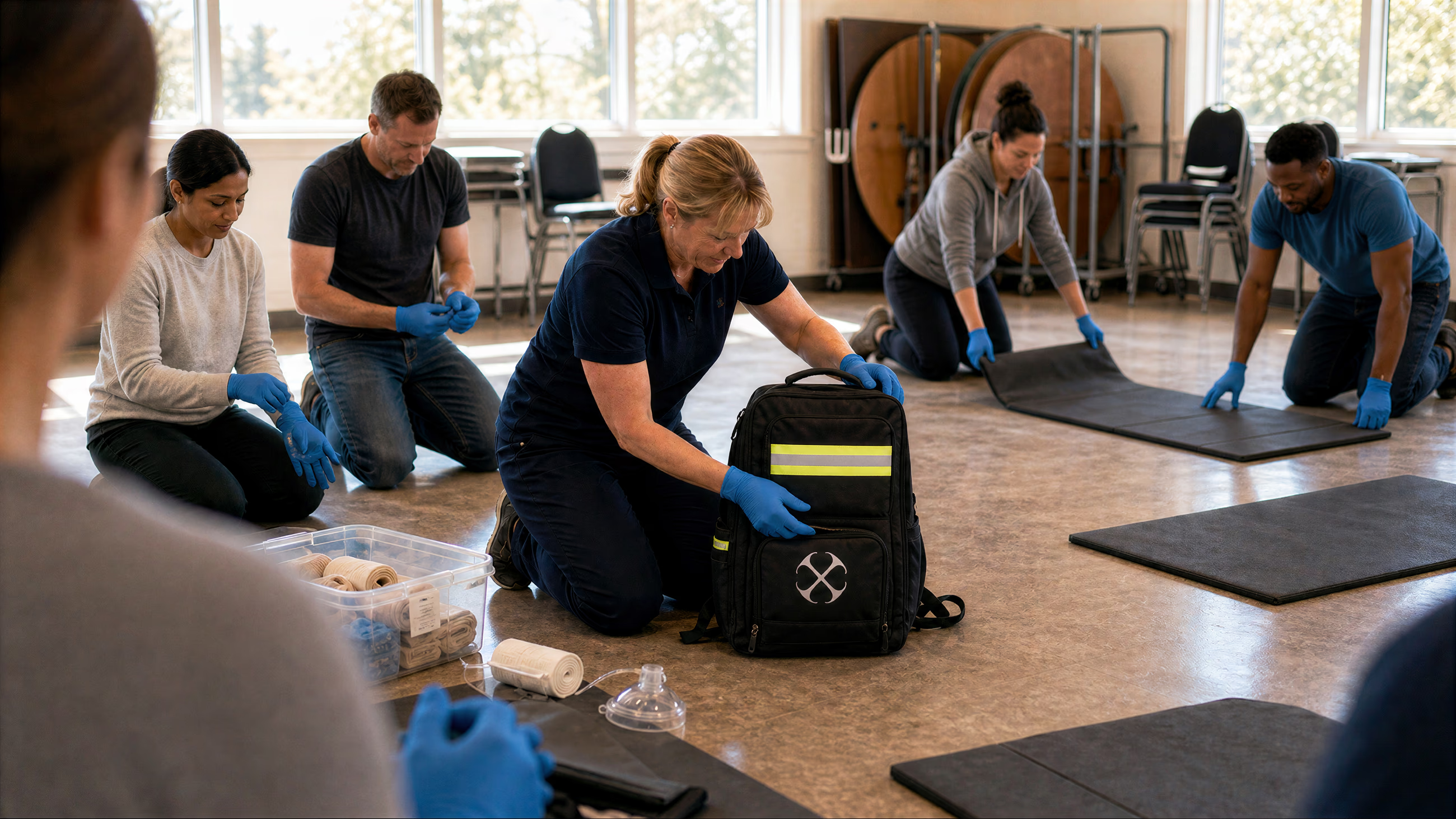
Braveheart trains tens of thousands of people each year across a broad course portfolio.
Modernizing the operation could not cost anyone the experience they came for.
Growth has to protect the same standard.
- 01
How should the course portfolio evolve?
- 02
How should instructors be recruited, developed and supported?
- 03
Which decisions belong centrally, and which belong with the team?
- 04
How can technology support growth while protecting personal attention?
- 05
Could franchising extend the company responsibly?
More courses and locations also mean more handoffs.
The next stage needs clear responsibilities and steady support, so that growing does not quietly spend what people already trust about Braveheart.
Ownership
Ownership changes the judgment.
Ownership adds urgency.
A decision lands on clients, instructors, employees and cash flow by the next morning. So I test assumptions early and adjust before being wrong gets expensive.
Ownership also adds compassion.
- For the people expected to work inside changing systems.
- For the leaders carrying responsibility for the outcome.
- For clients who feel the consequences in every interaction.
The whole chain
At Braveheart, the whole chain is my responsibility.
The direction of the company.
The model for growth.
The systems underneath it.
The people doing the work.
The experience delivered in the room.
The company needs to grow, the operation needs to hold, and learners need to feel cared for.
That is the work.